Surface work
Detailed geological studies and a seismic survey that images the layers before anyone spends money on a rig.
We focus mainly on deep saline aquifer exploration, deeper than 1000 m. Identifying a portfolio of prospects linked with the industries that need it, we can deploy near-factory storage quickly: at low risk, cutting off expensive and low-sustainable CO2 transport.
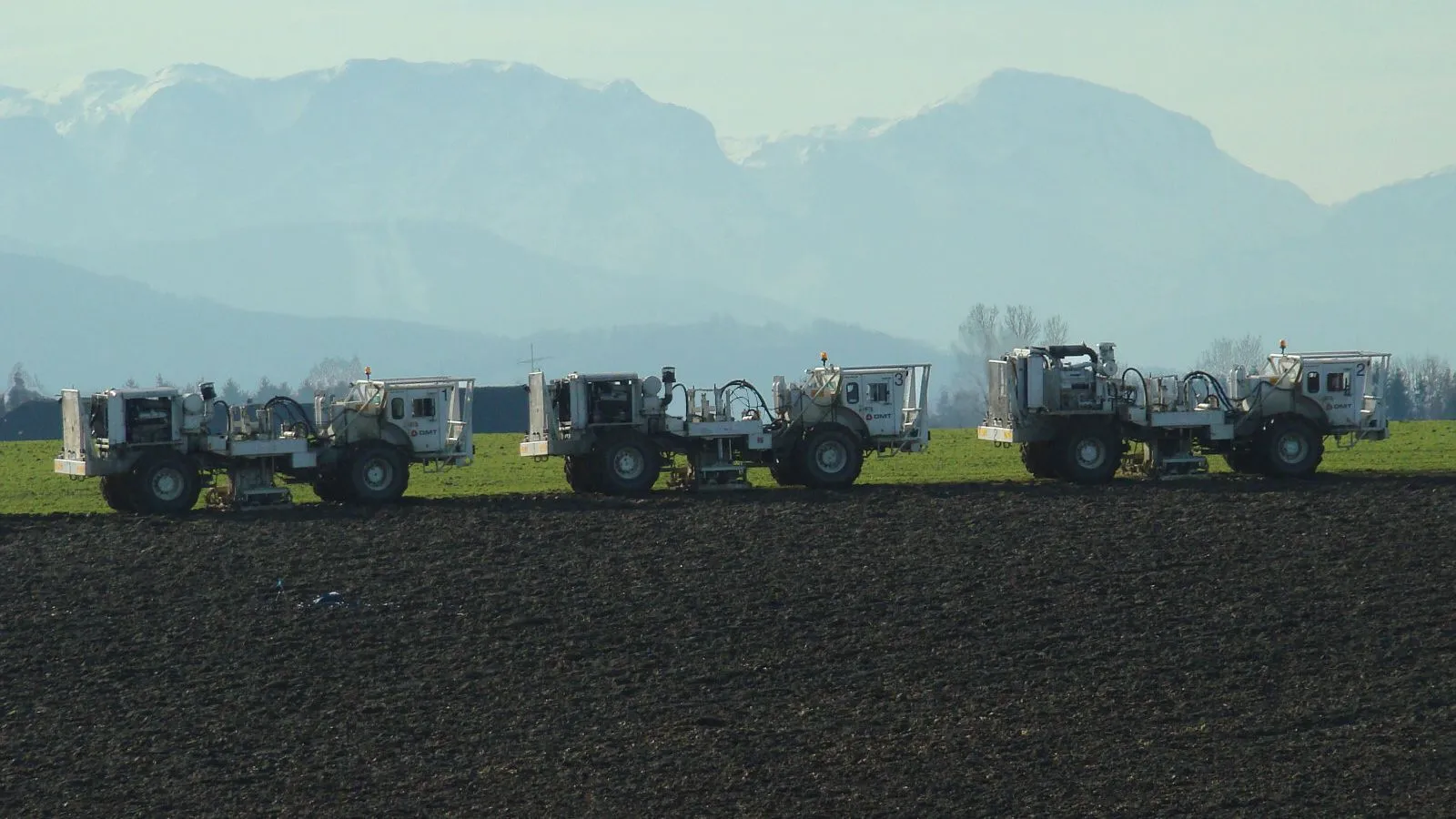
Photo: Techcollector · CC BY-SA 3.0 · cropped
Detailed geological studies and a seismic survey that images the layers before anyone spends money on a rig.
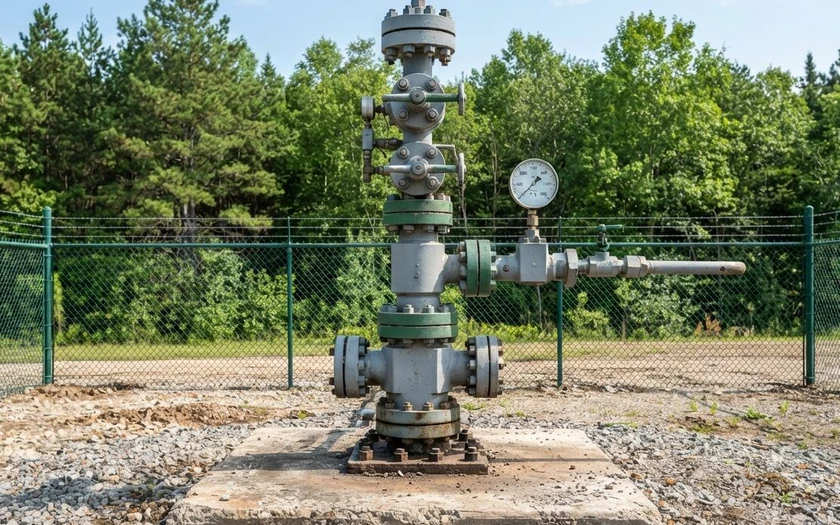
Exploratory drilling on the prospects that make the cut, with extensive data acquisition while the hole is open.
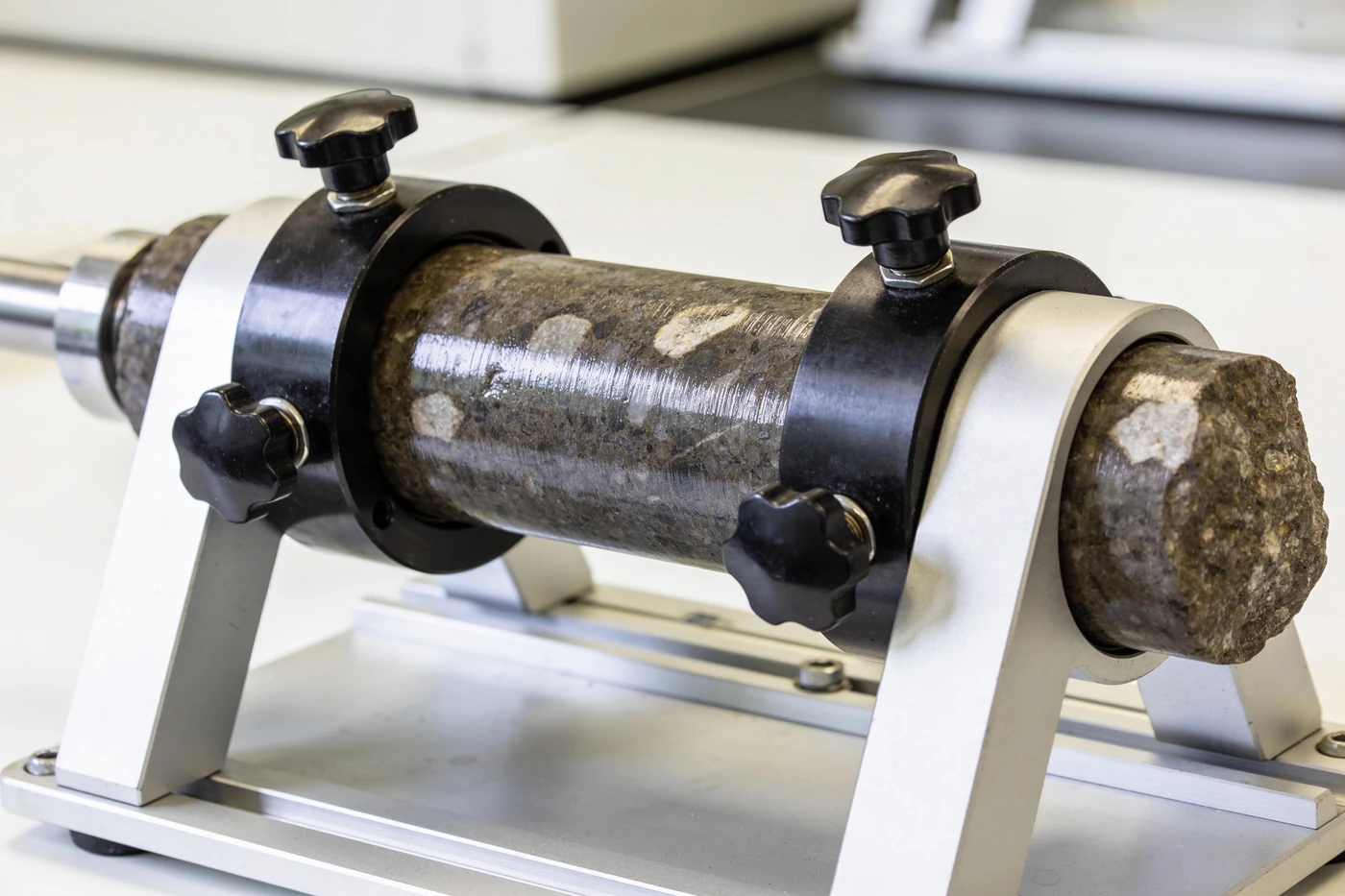
Core recovered, logged on site, then cut into plugs and tested under the pressure it lives at underground.
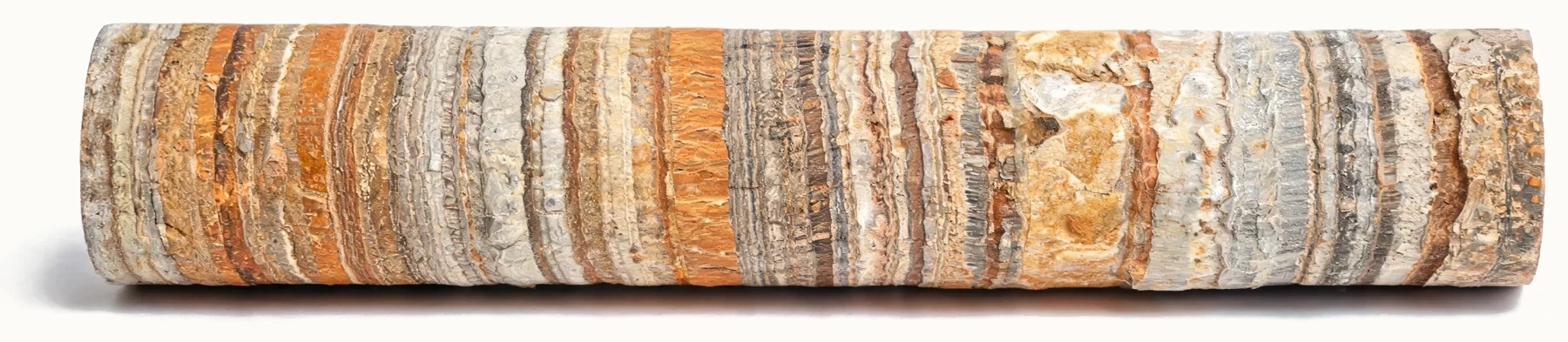
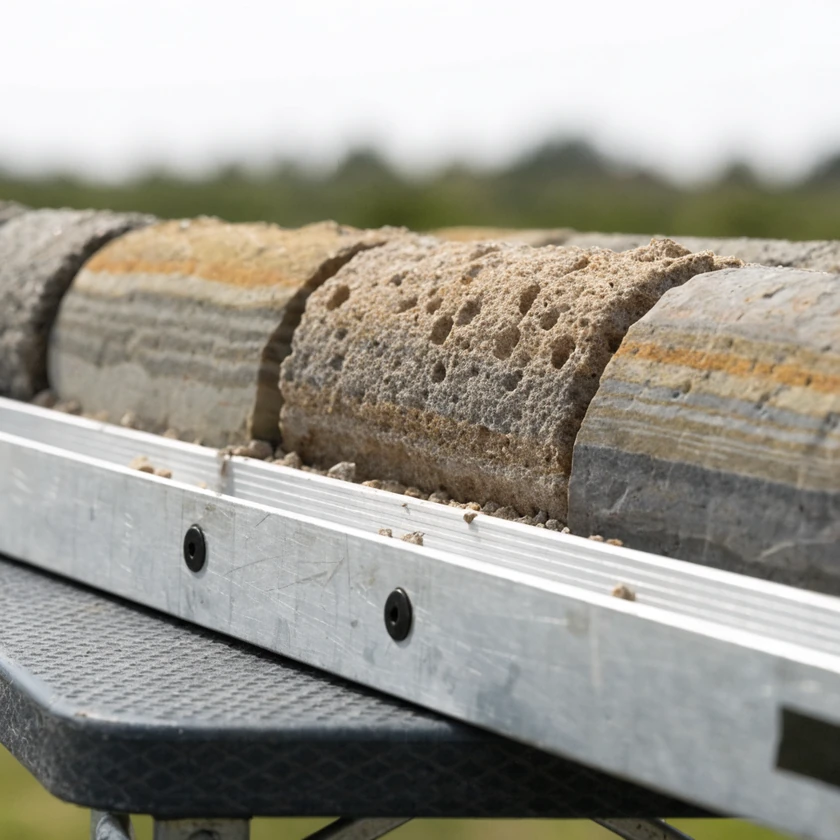
Two things have to be true at once: a formation permeable enough to accept the injection, and above it a seal tight enough to hold the CO2 for good. We carry the cost and the risk of finding out. If the answer is no, it costs you nothing.
How we use it